소식

파견센터의 지능형 콘솔이 비상대응을 향상시킬 수 있을까?

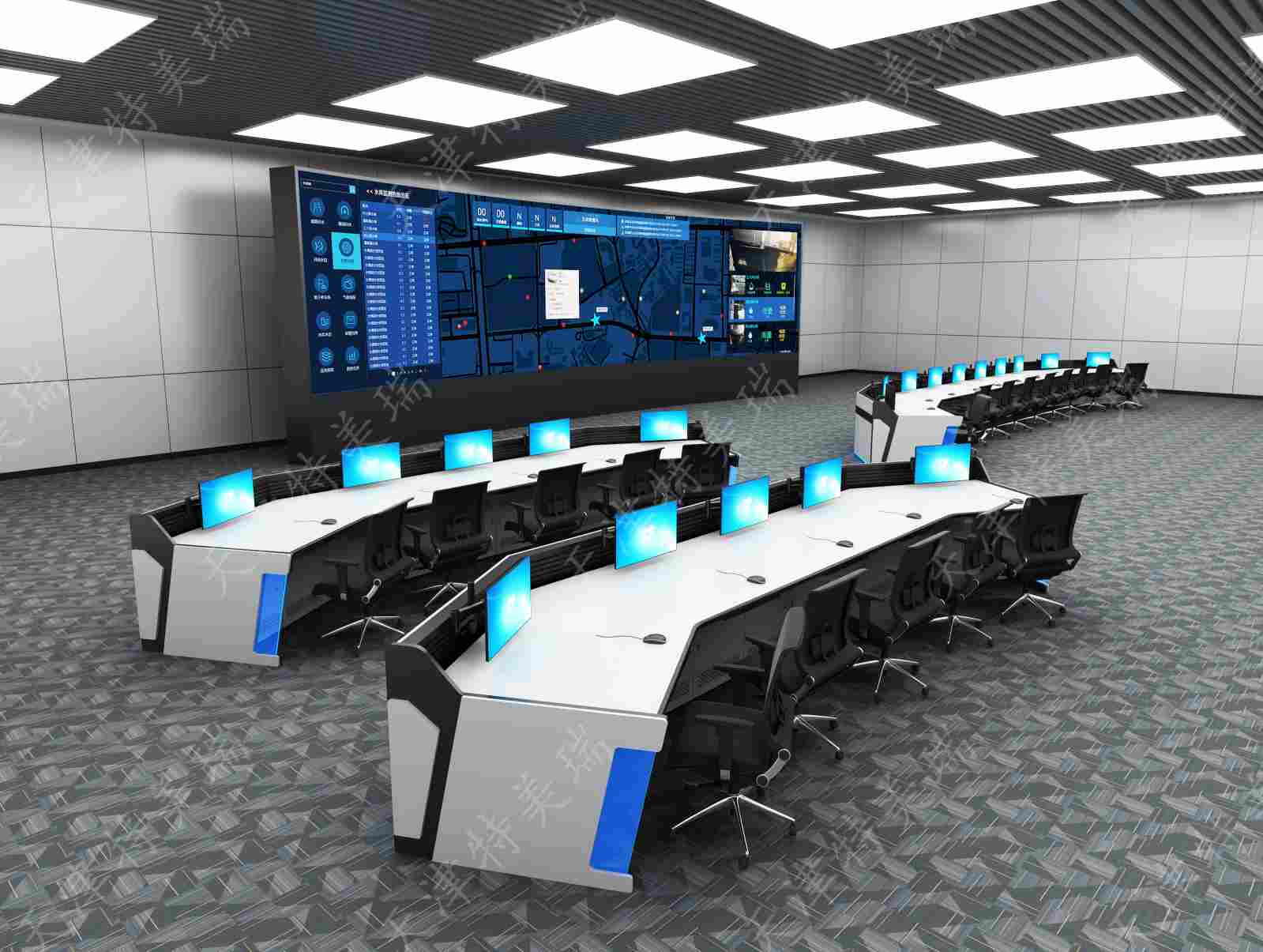
정전, 교통 중단 또는 산업 사고 발생 시 비상 대응은 사람들이 흩어져 있는 정보를 얼마나 신속하게 협력 조치로 전환할 수 있는지에 따라 달라집니다. 안파견센터 지능형 콘솔중요한 정보를 정리하고 의사소통을 개선하며 운영자가 진행 중인 상황에 대한 명확한 시각을 유지할 수 있도록 지원함으로써 이 프로세스를 지원할 수 있습니다.

긴급 파견이 종종 귀중한 시간을 낭비하는 이유

긴급 상황이 예측 가능한 순서를 따르는 경우는 거의 없습니다. 제어실은 모니터링 시스템의 경보, 현장 팀의 전화 통화, 장비 상태 업데이트, 여러 부서의 요청을 몇 분 안에 받을 수 있습니다. 각 메시지는 유용할 수 있지만 실제 과제는 정보가 어떻게 조화를 이루는지 이해하는 것입니다.

운영자가 화면, 통신 도구, 수동 기록 사이를 반복적으로 전환해야 하면 중요한 세부 사항을 간과할 수 있습니다. 두 부서가 서로 다른 업데이트로 작업할 수 있으며 현장 팀은 조치를 취하기 전에 확인을 기다립니다.

이러한 지연이 반드시 정보 부족으로 인해 발생하는 것은 아닙니다. 많은 경우 문제는 공유된 운영 상황 없이 별도의 채널을 통해 정보가 도착한다는 것입니다.

<p> During a power outage, traffic disruption, or industrial incident, emergency response depends on how quickly people can turn scattered information into coordinated action. An Intelligent Console of Dispatching Center can support this process by organizing critical information, improving communication, and helping operators maintain a clear view of developing situations. </p> <h2> Why Emergency Dispatch Often Loses Valuable Time </h2> <p> Emergency events rarely follow a predictable sequence. A control room may receive alarms from monitoring systems, phone calls from field teams, equipment status updates, and requests from multiple departments within minutes. Each message may be useful, but the real challenge is understanding how the information fits together. </p> <p> When operators must switch repeatedly between screens, communication tools, and manual records, important details can be overlooked. Two departments may work from different updates, while a field team waits for confirmation before taking action. </p> <p> These delays do not necessarily result from a lack of information. In many cases, the problem is that information arrives through separate channels without a shared operational picture. </p> <h2> How a Dispatch Console Supports Faster Decisions </h2> <p> A dispatch console provides a dedicated workspace for monitoring equipment, communicating with teams, and managing operational information. Its contribution to emergency response depends on how well the workstation, communication systems, and digital tools work together. </p> <h3> Bringing Critical Information into One View </h3> <p> A coordinated control room can display alarm messages, equipment conditions, incident locations, and response progress in a consistent layout. Operators can identify which events require immediate attention without repeatedly searching across disconnected interfaces. </p> <p> For example, during a regional power interruption, operators may need to compare affected substations, review equipment alarms, and communicate with maintenance teams. A well-organized console layout helps keep these tasks visible and reduces unnecessary movement between workstations. </p> <h3> Improving Communication Between Teams </h3> <p> Emergency response often involves several departments working under time pressure. Dispatch operators need to share accurate instructions, record important updates, and track whether assigned actions have been completed. </p> <p> An integrated dispatch environment can support communication through connected telephone systems, radio equipment, data terminals, and shared displays. Clear equipment placement and organized cable management also help keep essential controls accessible during extended operations. </p> <p> The aim is not simply to increase communication speed. It is to reduce misunderstandings and make sure that relevant information reaches the right people at the right time. </p> <h2> Can Intelligent Technology Predict the Next Problem? </h2> <p> Digital monitoring and data analysis are creating new opportunities for dispatch centers. Instead of waiting for an operator to notice every abnormal reading, connected systems can identify unusual patterns and issue alerts based on configured thresholds or analytical models. </p> <p> For example, repeated equipment alarms combined with rising operating temperatures may indicate a developing fault. A monitoring platform can highlight the pattern, allowing operators to investigate before the situation becomes more serious. </p> <p> Artificial intelligence may further support incident classification, information retrieval, and the preparation of operational summaries. However, predictions are only useful when the underlying data is accurate and the alerts are understandable. Emergency decisions still require established procedures, human judgment, and clear responsibility. </p> <p> An Intelligent Console of Dispatching Center therefore works best as part of a coordinated operational environment rather than as a standalone piece of furniture or an independent decision-making system. </p> <h2> Which Design Factors Matter in an Emergency Control Room? </h2> <p> The physical workstation remains important even as digital systems become more advanced. Operators may work for long shifts, monitor multiple displays, and respond to incidents with little warning. Poor layout can add unnecessary physical and mental strain to an already demanding role. </p> <table> <tbody> <tr> <th> Design consideration </th> <th> Why it matters during emergencies </th> </tr> <tr> <td> Screen arrangement </td> <td> Keeps important alerts and operational views within sight </td> </tr> <tr> <td> Ergonomics </td> <td> Supports comfortable operation during extended shifts </td> </tr> <tr> <td> Equipment accessibility </td> <td> Makes communication devices and controls easier to reach </td> </tr> <tr> <td> Cable management </td> <td> Keeps connections organized and the workspace orderly </td> </tr> <tr> <td> Modular layout </td> <td> Helps accommodate changing equipment and system requirements </td> </tr> <tr> <td> Maintenance access </td> <td> Simplifies inspection and servicing of installed equipment </td> </tr> </tbody> </table> <p> These considerations are relevant across electricity networks, transportation systems, public safety facilities, industrial plants, and other environments where continuous monitoring is essential. </p> <p> The layout should reflect actual working procedures. A transportation dispatch room, for example, may prioritize route information and communication equipment, while an industrial control room may place greater emphasis on process monitoring and equipment alarms. </p> <h2> Measuring Whether Emergency Response Has Improved </h2> <p> A new console layout or digital interface should be assessed through practical operational measures rather than appearance alone. Useful indicators include the time required to acknowledge an alarm, the accuracy of information passed between teams, the time needed to assign an incident, and the number of communication errors recorded during drills. </p> <p> Emergency exercises can reveal problems that routine operations may not expose. If operators repeatedly miss the same alerts or struggle to locate essential controls, the issue may involve screen organization, workflow design, or training rather than the monitoring technology itself. </p> <p> Regular reviews also help departments understand whether their systems provide a shared view of events and whether backup communication procedures remain accessible when primary systems fail. </p> <h2> The Role of Console Design in Future Dispatch Centers </h2> <p> As dispatch centers connect more monitoring devices, communication platforms, and analytical tools, workstation design must keep pace with operational needs. Tianjin Temery Metal Products Co., Ltd. produces monitoring consoles, control consoles, dispatch consoles, network cabinets, and video wall systems. Its manufacturing facilities in Tianjin include modern CNC processing equipment and a production site of approximately 10,000 square meters, supporting its work in metal control-room equipment. </p> <p> The wider industry trend is toward control environments that combine clear physical layouts with connected information systems. Technology can help operators identify events and coordinate responses, but effective emergency management still depends on trained personnel, reliable communications, practical procedures, and well-organized workspaces. </p> <p> Ultimately, an Intelligent Console of Dispatching Center can improve emergency response when its design supports faster access to information, clearer coordination, and more consistent decision-making. Its value lies not in the number of screens or the presence of advanced features, but in how effectively it helps people respond when every minute matters. </p>

디스패치 콘솔이 더 빠른 결정을 지원하는 방법

파견 콘솔은 장비 모니터링, 팀과의 커뮤니케이션, 운영 정보 관리를 위한 전용 작업 공간을 제공합니다. 비상 대응에 대한 기여는 워크스테이션, 통신 시스템 및 디지털 도구가 얼마나 잘 작동하는지에 따라 달라집니다.

중요한 정보를 하나의 보기로 가져오기

조정된 제어실에서는 경보 메시지, 장비 상태, 사고 위치 및 대응 진행 상황을 일관된 레이아웃으로 표시할 수 있습니다. 운영자는 연결이 끊긴 인터페이스를 반복적으로 검색하지 않고도 즉각적인 주의가 필요한 이벤트를 식별할 수 있습니다.

예를 들어, 지역적 정전이 발생하는 동안 운영자는 영향을 받은 변전소를 비교하고, 장비 경보를 검토하고, 유지 관리 팀과 통신해야 할 수 있습니다. 잘 구성된 콘솔 레이아웃은 이러한 작업을 눈에 띄게 유지하고 워크스테이션 간의 불필요한 이동을 줄이는 데 도움이 됩니다.

팀 간 커뮤니케이션 개선

긴급 대응에는 시간적 압박을 받는 여러 부서가 참여하는 경우가 많습니다. 파견 운영자는 정확한 지침을 공유하고, 중요한 업데이트를 기록하고, 할당된 작업이 완료되었는지 추적해야 합니다.

통합 파견 환경은 연결된 전화 시스템, 무선 장비, 데이터 터미널 및 공유 디스플레이를 통한 통신을 지원할 수 있습니다. 명확한 장비 배치와 체계적인 케이블 관리는 장시간 작업 중에도 필수 제어 장치에 대한 접근성을 유지하는 데 도움이 됩니다.

단순히 통신 속도를 높이는 것이 목적이 아닙니다. 오해를 줄이고 관련 정보가 적시에 적절한 사람에게 전달되도록 하기 위함입니다.

지능형 기술이 다음 문제를 예측할 수 있습니까?

디지털 모니터링과 데이터 분석은 파견 센터에 새로운 기회를 창출하고 있습니다. 연결된 시스템은 운영자가 모든 비정상적인 판독값을 발견할 때까지 기다리는 대신 구성된 임계값 또는 분석 모델을 기반으로 비정상적인 패턴을 식별하고 경고를 발행할 수 있습니다.

예를 들어, 작동 온도 상승과 함께 반복되는 장비 경보는 오류 발생을 나타낼 수 있습니다. 모니터링 플랫폼은 패턴을 강조하여 상황이 더 심각해지기 전에 운영자가 조사할 수 있도록 해줍니다.

인공 지능은 사고 분류, 정보 검색 및 운영 요약 준비를 추가로 지원할 수 있습니다. 그러나 예측은 기본 데이터가 정확하고 경고를 이해할 수 있는 경우에만 유용합니다. 긴급 결정에는 여전히 확립된 절차, 인간의 판단, 명확한 책임이 필요합니다.

안파견센터 지능형 콘솔따라서 독립형 가구나 독립적인 의사결정 시스템보다는 조정된 운영 환경의 일부로 가장 잘 작동합니다.

비상 통제실에서는 어떤 설계 요소가 중요합니까?

디지털 시스템이 더욱 발전하더라도 물리적 워크스테이션은 여전히 ​​중요합니다. 운영자는 장시간 근무하고, 여러 디스플레이를 모니터링하고, 경고 없이 사고에 대응할 수 있습니다. 잘못된 레이아웃은 이미 요구되는 역할에 불필요한 신체적, 정신적 부담을 더할 수 있습니다.

디자인 고려 긴급 상황에서 이것이 중요한 이유
화면 배치 중요한 경고 및 운영 보기를 시야 내에 유지합니다.
인간 공학 장시간 근무 시 편안한 작업 지원
장비 접근성 통신 장치 및 제어 장치에 더 쉽게 접근할 수 있도록 합니다.
케이블 관리 연결을 체계적으로 유지하고 작업 공간을 질서정연하게 유지합니다.
모듈식 레이아웃 변화하는 장비 및 시스템 요구 사항을 수용하는 데 도움이 됩니다.
유지보수 액세스 설치된 장비의 검사 및 서비스 단순화

이러한 고려 사항은 전기 네트워크, 교통 시스템, 공공 안전 시설, 산업 플랜트 및 지속적인 모니터링이 필수적인 기타 환경 전반에 걸쳐 적용됩니다.

레이아웃은 실제 작업 절차를 반영해야 합니다. 예를 들어 운송 파견실에서는 경로 정보 및 통신 장비에 우선순위를 두는 반면, 산업 제어실에서는 프로세스 모니터링 및 장비 경보에 더 중점을 둘 수 있습니다.

비상 대응이 개선되었는지 측정

새로운 콘솔 레이아웃이나 디지털 인터페이스는 외관만 고려하기보다는 실제 운영 측정을 통해 평가해야 합니다. 유용한 지표에는 경보를 확인하는 데 필요한 시간, 팀 간에 전달되는 정보의 정확성, 사고 할당에 필요한 시간, 훈련 중에 기록된 통신 오류 수가 포함됩니다.

비상 훈련을 통해 일상적인 작업에서는 노출되지 않는 문제가 드러날 수 있습니다. 운영자가 동일한 경고를 반복적으로 놓치거나 필수 제어 장치를 찾는 데 어려움을 겪는 경우 문제는 모니터링 기술 자체보다는 화면 구성, 작업 흐름 설계 또는 교육과 관련될 수 있습니다.

정기적인 검토는 부서에서 해당 시스템이 이벤트에 대한 공유 보기를 제공하는지, 기본 시스템에 오류가 발생했을 때 백업 통신 절차에 계속 액세스할 수 있는지 여부를 이해하는 데도 도움이 됩니다.

미래 파견 센터에서 콘솔 디자인의 역할

파견 센터가 더 많은 모니터링 장치, 통신 플랫폼 및 분석 도구를 연결함에 따라 워크스테이션 설계는 운영 요구 사항에 맞춰야 합니다. Tianjin Temery Metal Products Co., Ltd.는 모니터링 콘솔, 제어 콘솔, 파견 콘솔, 네트워크 캐비닛 및 비디오 월 시스템을 생산합니다. 천진에 있는 제조 시설에는 현대적인 CNC 가공 장비와 약 10,000m2 규모의 생산 현장이 포함되어 금속 제어실 장비 작업을 지원합니다.

보다 광범위한 업계 추세는 명확한 물리적 레이아웃과 연결된 정보 시스템을 결합하는 제어 환경을 지향하는 것입니다. 기술은 운영자가 이벤트를 식별하고 대응을 조정하는 데 도움이 될 수 있지만 효과적인 비상 관리는 여전히 훈련된 인력, 안정적인 통신, 실제 절차 및 잘 구성된 작업 공간에 달려 있습니다.

궁극적으로,파견센터 지능형 콘솔정보에 대한 보다 빠른 접근, 보다 명확한 조정, 보다 일관된 의사결정을 지원하는 설계를 통해 비상 대응을 개선할 수 있습니다. 그 가치는 화면 수나 고급 기능의 존재 여부가 아니라 매 순간이 중요할 때 사람들이 얼마나 효과적으로 대응할 수 있도록 돕는가에 있습니다.

관련 뉴스
나에게 메시지를 남겨주세요
X
당사는 귀하에게 더 나은 탐색 경험을 제공하고, 사이트 트래픽을 분석하고, 콘텐츠를 개인화하기 위해 쿠키를 사용합니다. 이 사이트를 이용함으로써 귀하는 당사의 쿠키 사용에 동의하게 됩니다. 개인 정보 보호 정책
거부하다수용하다